
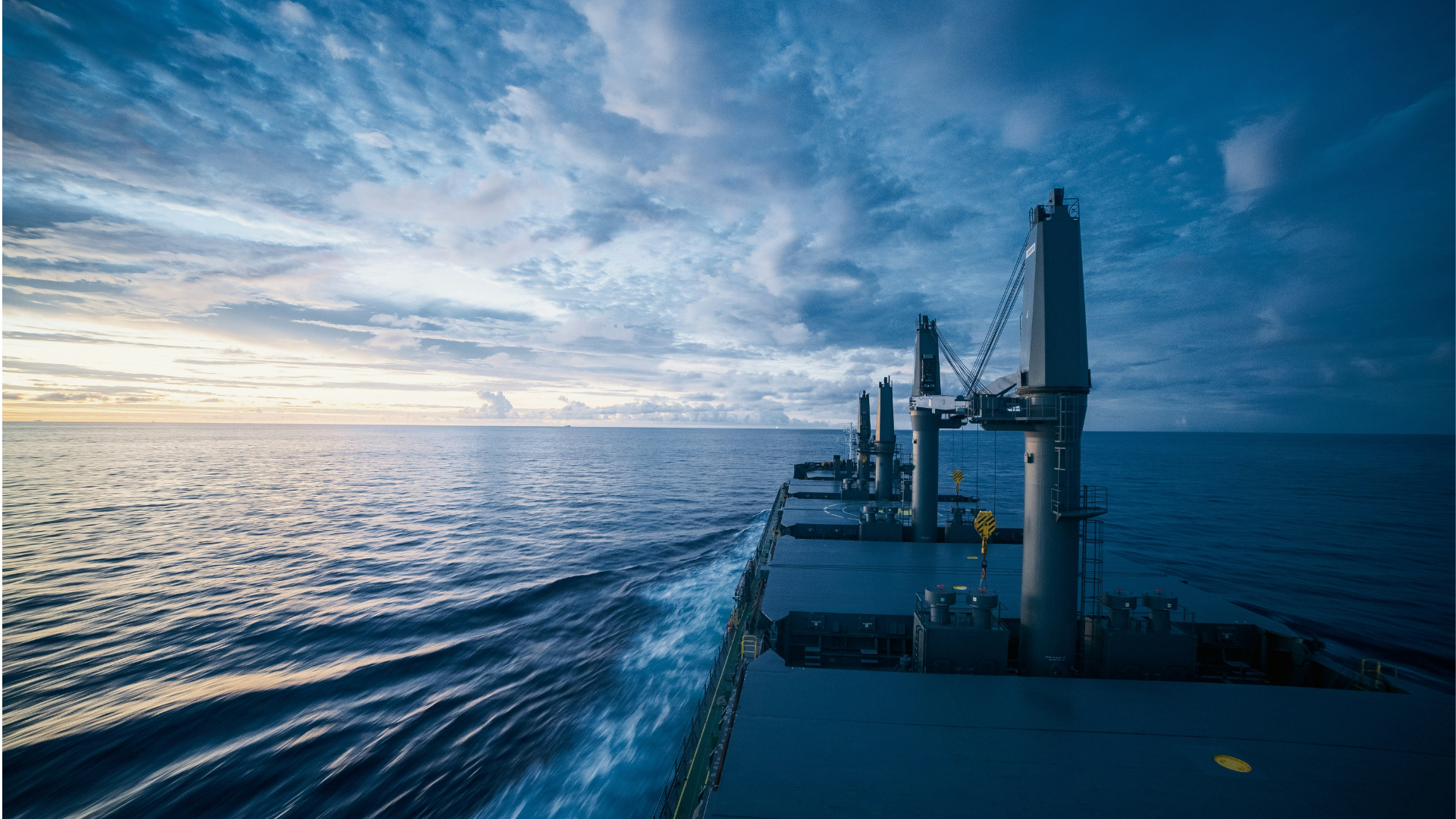
Overview
Located on Tunisia’s eastern Mediterranean coast, the Port of Sfax is one of the country’s leading industrial and export ports. It supports phosphate exports, chemical products, olive oil, petroleum products, and general cargo while serving Tunisia’s industrial heartland.
Positioned strategically along the Gulf of Gabès approaches, the port provides critical maritime linkage for the economic development of central and southern Tunisia.
History
Sfax has long served as a major commercial hub and trading center in North Africa. Its modern port infrastructure was developed to handle the surging agricultural and mineral wealth of the region, evolving into a multifaceted industrial shipping terminal.
Through continuous channel maintenance and modern berth expansions, the port accommodates diverse vessel types supporting national export demands.
Location & Approaches
Situated on the east coast of Tunisia facing the Kerkennah Islands, accessible via dredged approach channels that require careful navigation in accordance with local tidal and draft parameters.
Port layout and cargo facilities
Specialized berths and infrastructure dedicated to handling phosphates, chemicals, agricultural exports, and bulk goods.
Phosphates
Specialized bulk loading installations and storage facilities dedicated to exporting the country’s primary mineral product efficiently.
Chemicals
Terminals and handling equipment configured safely for industrial chemical products and fertilizer derivatives.
Olive Oil
Specialized storage tanks and liquid handling facilities supporting one of Tunisia’s most iconic agricultural export markets.
Petroleum Products
Dedicated fuel berths and bunkering transfer lines supporting regional energy distribution and vessel refueling.
General Cargo
Flexible quays and open storage yards accommodating diverse break-bulk merchandise and commercial freight.
Bulk Commodities
Deep-water berths equipped to handle dry bulk carriers and raw material imports for regional manufacturing.
Pilotage, restrictions, and hazards
Essential operational procedures and navigational guidelines for vessels arriving at the Port of Sfax.
Pilotage & Tug Services
Pilotage is compulsory for vessels entering the port channels. Harbor tugs assist with safe maneuvering and berthing operations.
Port Restrictions
Draft limitations apply along approach channels. Vessels must adhere strictly to speed limits and traffic management directives.
Weather Conditions
Generally favorable Mediterranean conditions prevail, though occasional seasonal winds require careful watchfulness during docking.
Navigation Hazards
Vessels must maintain vigilance for local fishing craft near the channel approaches and shallower sectors surrounding the port.
Emergency Contacts & Nearby Services
Port operations are coordinated through OMPTM harbor authorities and maritime emergency services. Bunkering, provisions, and minor repairs are accessible via local maritime agencies.
Interesting Facts
- The Port of Sfax is one of Tunisia’s primary phosphate export terminals, supporting an industry that has been a cornerstone of the country’s economy for more than a century.
- Serves as the vital maritime gateway for Tunisia’s central industrial and commercial heartland.
- Handles significant agricultural exports, including world-renowned Tunisian olive oil.
- Maintains active ferry links connecting the mainland to the nearby Kerkennah Islands.