
Port of Subic Bay
Located within the Subic Bay Freeport Zone, this deep-water port is a major logistics and industrial hub with a naturally deep harbor ideal for international cargo and large vessels.
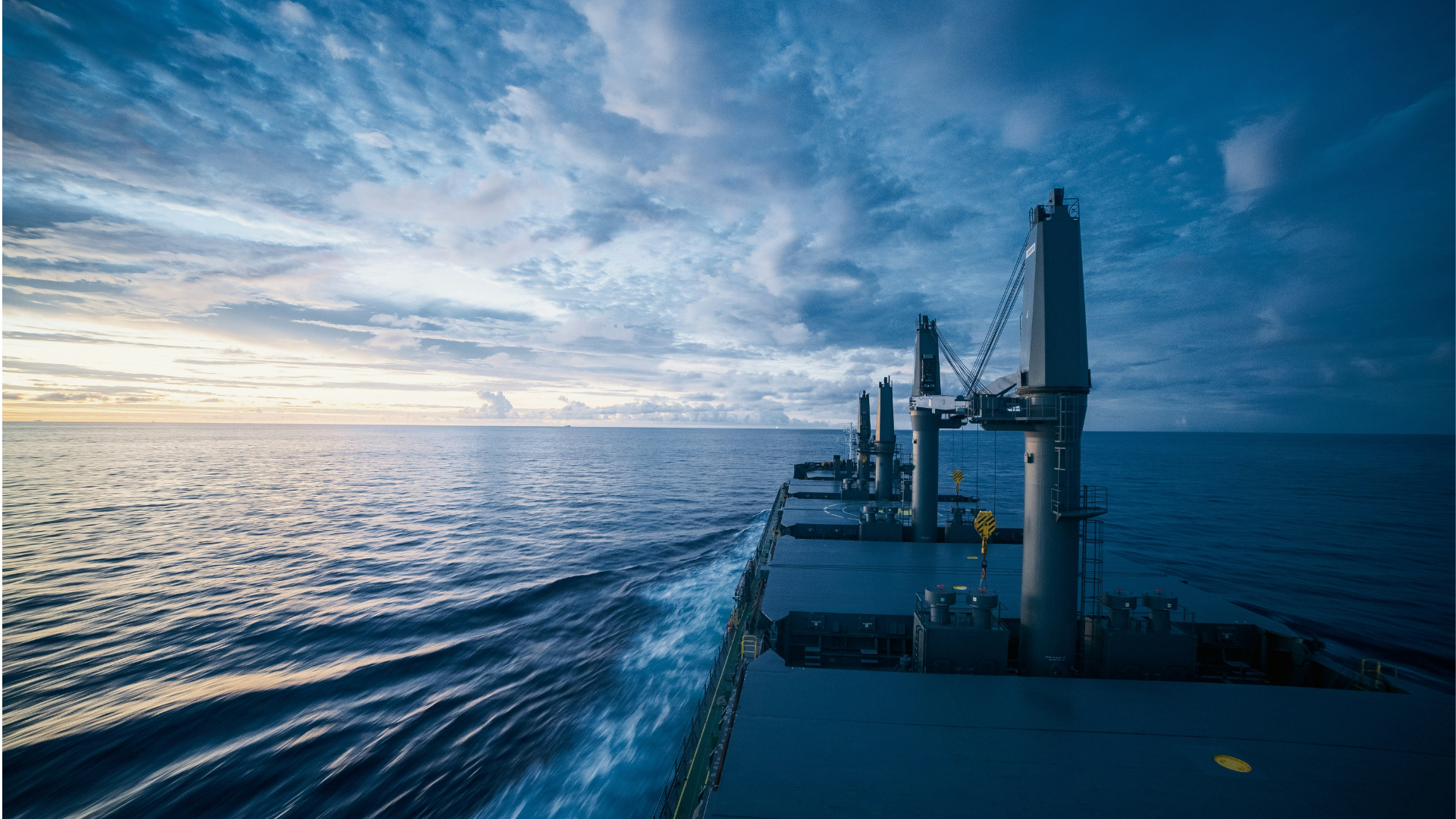
Overview
Located within the Subic Bay Freeport Zone, this deep-water port is a major logistics and industrial hub. Its strategic location and naturally deep harbor make it ideal for handling international cargo and large vessels.
Positioned along the western coast of Luzon, it provides critical maritime connectivity for industrial zones, supporting international trade and regional distribution networks efficiently.
History
Subic Bay has a storied maritime history, serving as a vital strategic anchorage for centuries. In the latter half of the 20th century, it operated as one of the largest overseas naval installations in the world.
Following its conversion into a commercial Freeport Zone, the port infrastructure underwent modern expansions to become a thriving premier maritime, logistics, and industrial hub in Southeast Asia.
Location & Approaches
Situated in Zambales on the western coast of Luzon facing the South China Sea, protected by the rugged mountains of the Bataan peninsula and deep natural sheltered waters ensuring year-round navigational safety.
Port layout and cargo facilities
Advanced terminals and deep-water berths configured for containerized shipping, automotive imports, and heavy equipment.
Containers
Modern container terminals equipped with gantry cranes and spacious yards supporting high-volume international throughput.
Automobiles
Dedicated roll-on/roll-off (Ro-Ro) facilities and vehicle storage yards accommodating major automotive import operations.
Steel Products
Specialized handling gear and open-storage quays designed for the secure discharge and distribution of manufactured steel.
Heavy Machinery
Reinforced berths and heavy-lift handling capabilities suited for oversized industrial equipment and components.
Project Cargo
Flexible staging areas and multi-purpose docks configured for complex break-bulk and industrial project shipments.
Deep-Water Berths
Naturally deep draft anchorages capable of accommodating large modern container ships and bulk carriers with ease.
Pilotage, restrictions, and hazards
Essential operational procedures and navigational guidelines for vessels arriving at the Port of Subic Bay.
Pilotage & Tug Services
Compulsory pilotage ensures safe entry through approach channels, assisted by powerful harbor tugs for berthing maneuvers.
Port Restrictions
Strict speed limits and vessel traffic services (VTS) regulations apply within bay limits to maintain navigational safety.
Weather Conditions
Well-sheltered naturally by surrounding terrain, though seasonal monsoons and tropical storm contingencies require standard vigilance.
Navigation Hazards
Maintain watch for local fishing craft near the outer bay approaches and variable currents during seasonal shifts.
Emergency Contacts & Nearby Services
Port operations are overseen by SBMA maritime authorities alongside coast guard services. Comprehensive bunkering, provisioning, and repair services are accessible through accredited maritime agents.
Interesting Facts
- Subic Bay was once home to one of the largest overseas naval bases in the world before being transformed into a thriving commercial and logistics hub.
- Features a naturally deep harbor that requires minimal dredging, accommodating the world’s largest container vessels.
- Offers a tax-and-duty-free environment within the Freeport Zone, attracting major multinational manufacturing and logistics companies.
- Seamlessly blends modern maritime infrastructure with lush ecological landscapes.