
Port of Narvik
Located above the Arctic Circle, the Port of Narvik is a strategically important deep-water port known for exporting high-grade iron ore from northern Sweden year-round.
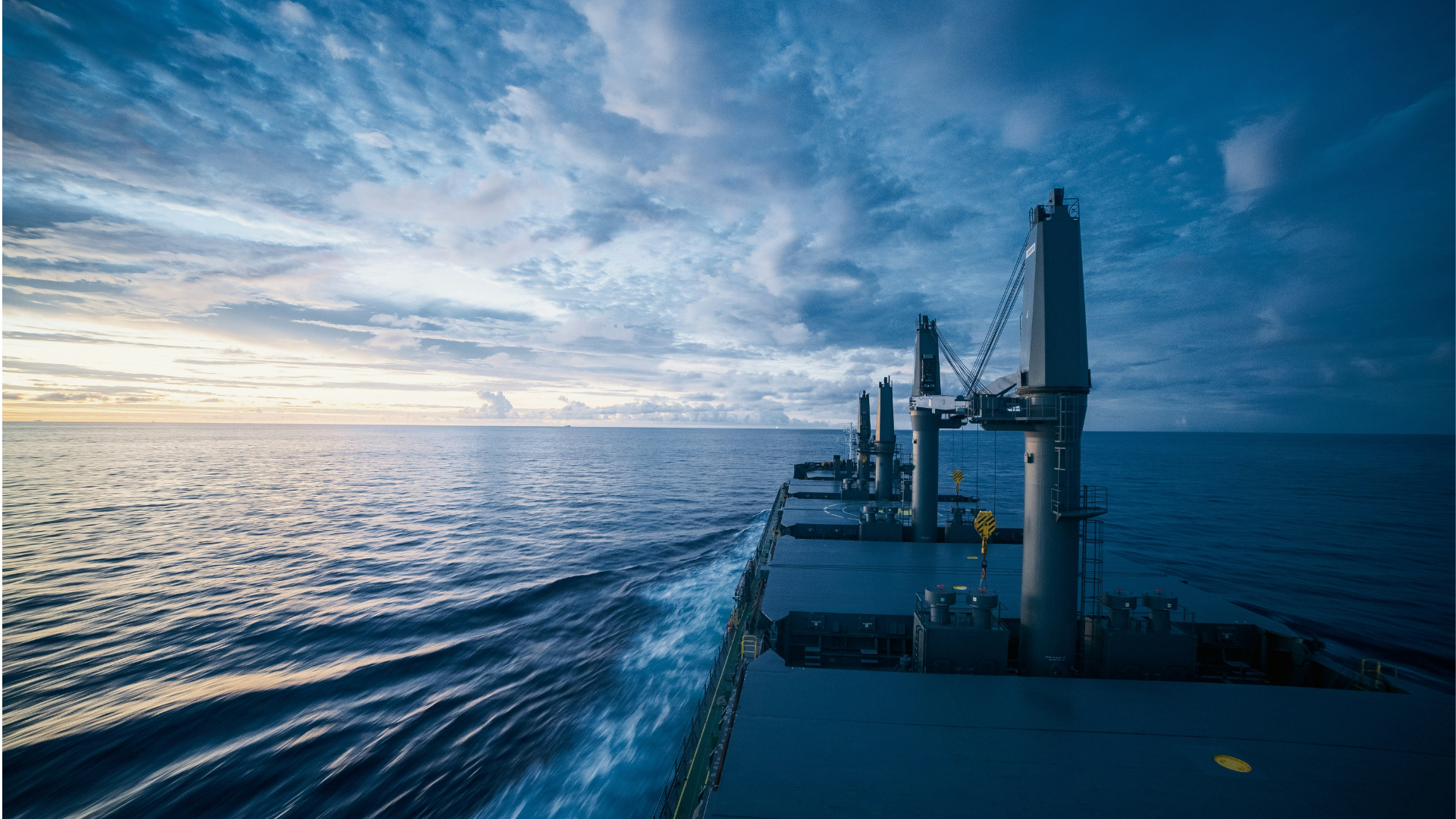
Overview
Located above the Arctic Circle, the Port of Narvik is a strategically important deep-water port known for exporting high-grade iron ore from northern Sweden year-round. Situated along the Ofotfjord, it serves as a critical multimodal logistics node connecting northern Scandinavia to global maritime trade routes.
Its naturally ice-free deep waters provide secure, reliable berthing conditions for heavy industrial carriers and commercial cargo vessels navigating the challenging Arctic environment.
History
Narvik’s modern existence and port development are inextricably tied to the Ofotbanen railway, constructed at the turn of the 20th century to transport iron ore from the rich mines of Kiruna, Sweden, to an ice-free Atlantic outlet.
Throughout its history, the port has expanded its infrastructure to handle diverse break-bulk, heavy project cargo, and containerized freight while remaining one of the premier bulk-handling facilities in Northern Europe.
Location & Approaches
Positioned on the shores of the Ofotfjord in Northern Norway, offering deep, unobstructed nautical approaches, minimal tidal constraints, and excellent natural shelter from severe open-ocean weather.
Port layout and cargo facilities
Advanced heavy-duty infrastructure optimized for high-capacity iron ore loading, dry bulk operations, and intermodal freight handling.
Iron Ore
Specialized high-capacity ore terminals and automated loading systems designed for rapid turnaround of bulk carriers.
Bulk Cargo
Secure storage yards and deep-water berths configured to handle various dry bulk commodities efficiently.
Containers
Modern container handling yards supporting seamless logistics flows between sea and rail transport corridors.
General Cargo
Versatile quays and multi-purpose storage facilities accommodating regular commercial freight and break-bulk shipments.
Project Cargo
Reinforced heavy-lift quays and expansive open storage areas tailored for oversized industrial components and infrastructure equipment.
Multimodal Terminals
Direct integration linking maritime berths with the Ofotbanen railway for efficient cross-border transport.
Pilotage, restrictions, and hazards
Essential operational procedures and navigational guidelines for vessels arriving at the Port of Narvik.
Pilotage & Tug Services
Compulsory pilotage is required for qualifying vessels entering Norwegian Arctic waters. Professional harbor tugs assist with precise docking maneuvers.
Port Restrictions
Strict speed limits and safety protocols apply within the fjord and harbor basins to protect local marine traffic and port installations.
Weather Conditions
Subarctic environment featuring polar night conditions in winter, strong winds, and variable visibility requiring seasoned navigation practices.
Navigation Hazards
Local coastal ferries, strong tidal streams through narrow channels, and occasional floating ice require heightened bridge watchfulness.
Emergency Contacts & Nearby Services
Port operations are coordinated via Narvik Havn KF authorities and Norwegian coastal administration services. Complete vessel provisioning, bunkering, and technical support are accessible through local maritime agents.
Interesting Facts
- Narvik is one of the few ice-free Arctic ports, allowing uninterrupted shipping even during winter.
- Connected directly via the Ofotbanen railway to the world-class iron ore mines of Kiruna, Sweden.
- Located far above the Arctic Circle, offering extraordinary views of the Midnight Sun and Northern Lights.
- Served a pivotal historical role as a strategic shipping lane for mineral resources during the 20th century.