
Port of Hambantota
Located on Sri Lanka’s southern coast, the Port of Hambantota is a modern deep-water port designed for vehicle transshipment, bulk cargo, and industrial development.
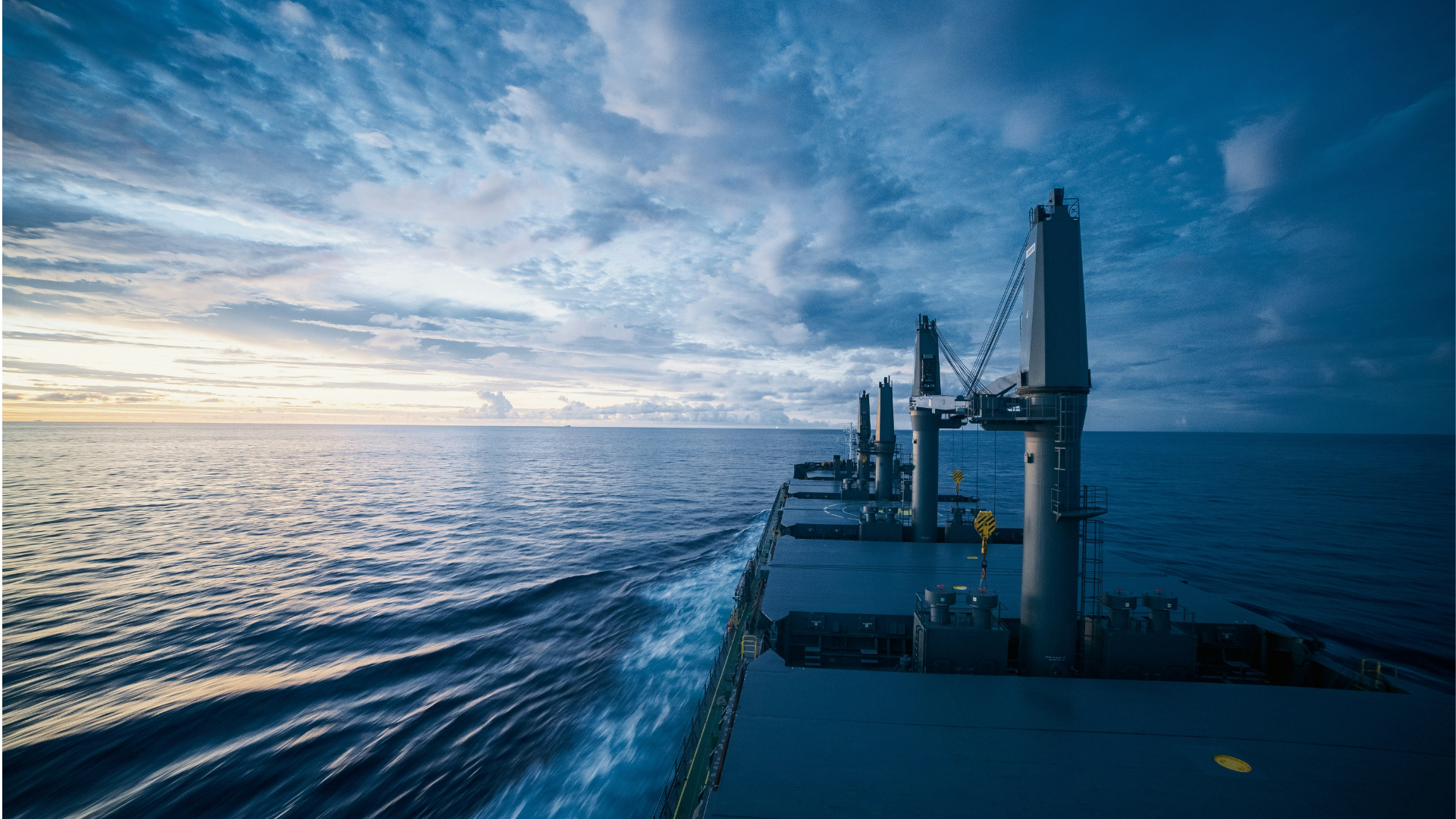
Overview
Located on Sri Lanka’s southern coast, the Port of Hambantota is a modern deep-water port designed for vehicle transshipment, bulk cargo, and industrial development. Its strategic location near major international shipping lanes makes it an important logistics hub.
Positioned just a few nautical miles from one of the world’s busiest east-west shipping routes, the port serves as a vital maritime gateway linking South Asia with global trade networks.
History
Conceived as a strategic maritime and industrial hub to transform Sri Lanka’s southern region, the Port of Hambantota underwent major multi-phase construction to establish world-class deep-water infrastructure.
In recent years, strategic partnerships have accelerated its development into a premier regional transshipment center, particularly renowned for handling large volumes of automotive imports and exports.
Location & Approaches
Situated on the southern coast of Sri Lanka within close proximity to major international shipping lanes, featuring well-maintained approach channels, breakwaters, and state-of-the-art navigation aids ensuring safe year-round vessel access.
Port layout and cargo facilities
Advanced terminals, specialized vehicle yards, and heavy-duty infrastructure tailored for transshipment and industrial logistics.
Vehicles (Ro-Ro)
State-of-the-art multi-story car parking structures and vast open storage yards capable of handling hundreds of thousands of automobiles annually.
Dry Bulk Cargo
High-capacity handling equipment and dedicated open storage areas designed for efficient loading and discharging of dry bulk commodities.
Breakbulk Cargo
Flexible quays and extensive laydown yards equipped for handling diverse breakbulk items, industrial machinery, and project cargo.
Petroleum Products
Specialized marine bunkering and tank storage facilities providing reliable fuel supply and liquid cargo handling services for calling vessels.
General Cargo
Versatile berths and well-connected warehousing zones supporting regional commercial trade and general cargo operations.
Deep-Water Berths
Deep draft basins capable of accommodating the largest modern container ships, bulk carriers, and ultra-large vehicle transport vessels.
Pilotage, restrictions, and hazards
Essential operational procedures and navigational guidelines for vessels arriving at the Port of Hambantota.
Pilotage & Tug Services
Pilotage is compulsory for all vessels entering port limits. High-powered modern harbor tugs assist with safe berthing and unberthing maneuvers.
Port Restrictions
Strict vessel speed limits and port traffic management protocols enforced within approach channels to maintain safe navigation standards.
Weather Conditions
Generally favorable tropical conditions prevail, with seasonal monsoon influences requiring standard navigational caution during rough sea states.
Navigation Hazards
Vessels must maintain sharp watchfulness for local fishing boats operating near approach routes and changing current patterns around breakwaters.
Emergency Contacts & Nearby Services
Port operations and emergency responses are coordinated through HIPG harbor control and Sri Lanka maritime authorities. Comprehensive bunkering, fresh water supply, provisioning, and technical repair services are readily accessible.
Interesting Facts
- Hambantota is one of the world’s fastest-growing vehicle transshipment ports, handling hundreds of thousands of automobiles annually.
- Strategically located just a few nautical miles from the primary Asia-Europe international shipping lane.
- Features state-of-the-art deep-water facilities capable of accommodating the world’s largest commercial vessels.
- Designed as a multi-purpose industrial port complex to drive economic growth and logistics innovation in southern Sri Lanka.