
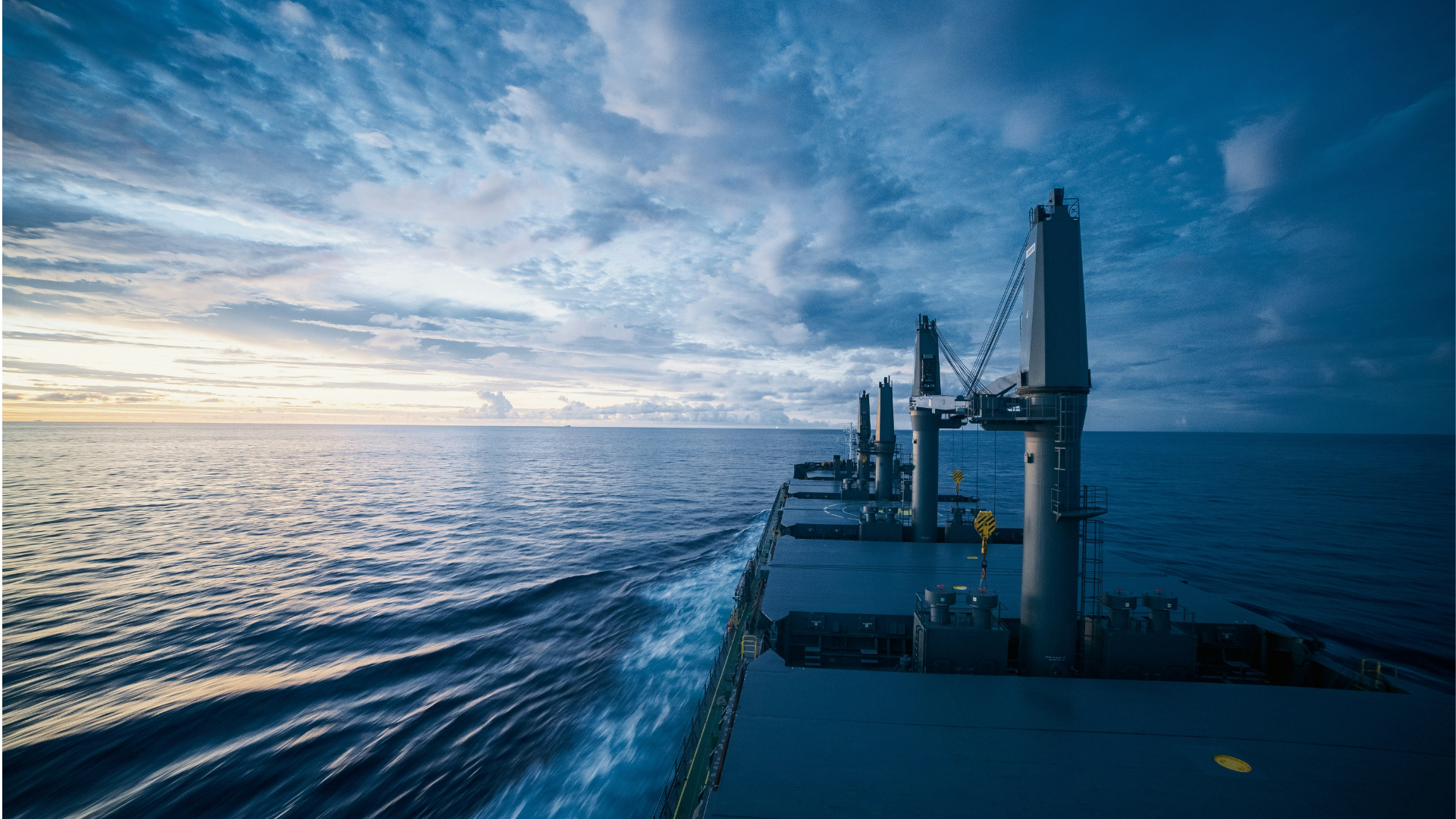
Overview
Located near Libya’s border with Egypt, the Port of Tobruk is a strategic deep-water port serving commercial shipping, petroleum exports, and regional trade. Its naturally sheltered harbor accommodates cargo vessels and supports industries in eastern Libya.
Positioned along the northeastern Mediterranean coast, it functions as a vital logistical connection point bridging domestic supply networks and international shipping routes.
History
Tobruk’s protected natural bay has served as an essential maritime haven since antiquity. Throughout modern history, its strategic location made it a focal point for Mediterranean trade and naval logistics.
Following post-war reconstructions and infrastructure upgrades, the port transformed into a modern commercial hub supporting oil terminals, bulk shipments, and regional cargo distribution.
Location & Approaches
Situated within a deep, natural indentation along the eastern Libyan coastline, offering exceptional natural shelter from open-sea waves and secure access channels for deep-draft vessels.
Port layout and cargo facilities
Engineered infrastructure supporting high-volume petroleum loading, bulk transport, and general commercial cargo.
Crude Oil
Specialized marine terminals and offshore loading facilities equipped for handling high-capacity crude oil export tankers.
Petroleum Products
Dedicated storage tanks and transfer berths designed for the secure distribution of refined fuel and petroleum derivatives.
General Cargo
Versatile wharves and staging areas accommodating diverse break-bulk merchandise and regional trade shipments.
Bulk Commodities
Deep-water berths and storage yards configured for efficient handling of dry bulk shipments and grain imports.
Construction Materials
Handling facilities dedicated to receiving cement, steel reinforcement, and building supplies for eastern regional projects.
Industrial Supplies
Wharf space and logistics support equipment geared toward equipment imports for regional industrial operations.
Pilotage, restrictions, and hazards
Essential operational procedures and navigational guidelines for vessels arriving at the Port of Tobruk.
Pilotage & Tug Services
Pilotage is compulsory for all commercial vessels entering port waters. Qualified harbor tugs assist with docking and turning maneuvers.
Port Restrictions
Mandatory speed limits and safety separation corridors apply within approach channels to regulate heavy vessel traffic.
Weather Conditions
Generally sheltered conditions inside the natural bay, with standard maritime caution required during winter northerly gales.
Navigation Hazards
Maintain standard lookout for local fishing craft near the entrance points and approach buoys of the bay.
Emergency Contacts & Nearby Services
Port safety and vessel coordination are managed by local harbor authorities. Bunkering, provisions, and minor technical repairs can be arranged via accredited shipping agencies.
Fun Fact
- The Port of Tobruk is famous for its naturally deep and sheltered harbor, which has been valued for maritime operations since ancient times and played a significant role during World War II.
- Provides one of the most secure natural anchorages along the North African Mediterranean coastline.
- Acts as a vital economic gateway connecting eastern Libya to international shipping networks.
- Combines strategic oil export terminals with growing commercial import capabilities.